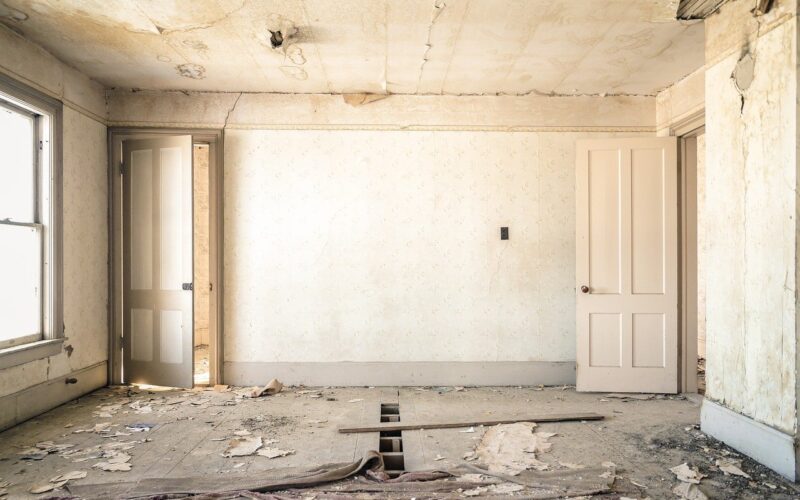
Restoring an old home is one of the most satisfying pursuits a homeowner can take on. Beyond the dust and the hard work, there is something deeply compelling about uncovering the original character of a building — the craftsmanship, the materials, and the stories embedded in every wall and floorboard. Each layer you strip back reveals a little more of the past, and that sense of discovery keeps restoration enthusiasts coming back for more.
The hidden history beneath your feet
Original floorboards are among the most prized features in any period property. Often hidden beneath layers of carpet or vinyl, hardwood floors from the Victorian or Edwardian era can be in remarkable condition once uncovered. Sanding, sealing, and repairing gaps can breathe new life into timber that has quietly survived for well over a century. The result is a floor with genuine character — something no modern reproduction can truly replicate.
Period features worth preserving
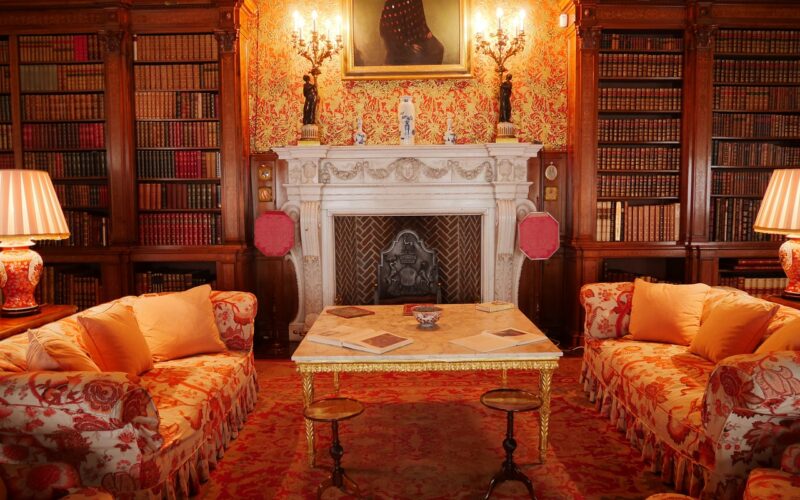
Cornicing, ceiling roses, dado rails, and original fireplaces are the kinds of details that define the soul of a period home. Many were removed during mid-twentieth century renovation trends, but a surprising number survive behind plasterboard or under coats of paint. Salvage yards and specialist suppliers have made it easier than ever to source matching replacements for damaged or missing elements, allowing homeowners to restore rooms to something close to their original appearance.
Original windows and doors
Timber sash windows and panelled doors are often replaced unnecessarily. With proper draught-proofing and careful restoration, original windows can perform just as well as modern alternatives — and they add far more to the character of a home. The same principle applies to doors. Stripping back layers of gloss paint to reveal the original wood grain is time-consuming work, but the outcome consistently justifies the effort.
Uncovering decorative surprises
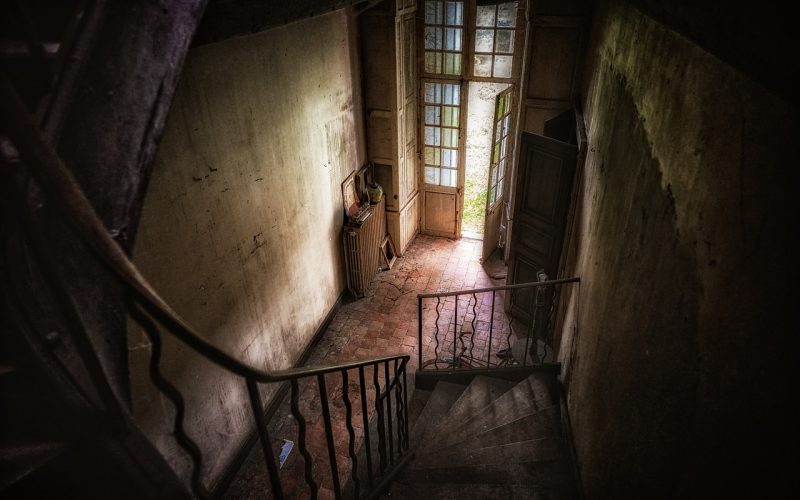
Some of the most exciting discoveries in home restoration happen entirely by accident. Removing a false ceiling might expose ornate plasterwork. Lifting a staircase carpet could reveal encaustic tiles in near-perfect condition. Peeling back wallpaper sometimes uncovers hand-painted murals or earlier decorative schemes that offer a fascinating window into how the home once looked. These unexpected finds are part of what makes restoration such a compelling process.
Balancing authenticity with modern living
Restoration does not mean living in a museum. The most successful projects find a thoughtful balance between preserving original features and adapting the home for contemporary comfort. Concealed wiring, underfloor heating beneath restored tiles, and modern insulation fitted sympathetically behind period walls are all ways to introduce modern convenience without compromising the integrity of the building. Authenticity and practicality are not mutually exclusive — it is simply a matter of careful planning.
Where to begin your restoration journey
Start with a thorough survey of the property, ideally with a specialist who understands period buildings. Identify which original features survive, which require repair, and which have been lost entirely. Prioritise structural and weatherproofing work before moving on to interior restoration. From there, take your time. Home restoration is rarely a quick process, but the rewards — a home full of genuine history and craftsmanship — are well worth the patience it demands.